Why Solar Batteries Didn’t Deliver – And What Finally Changes That
You were promised freedom.
Lower electricity bills. Energy independence. A home that runs on your terms, not the grid’s.
But for a lot of people, that’s not what happened.
Solar panels went up. Money went out. And yet somehow, the electricity bills kept coming.
The truth is, most solar setups were never designed to make you fully independent. They were designed to work with the grid, not replace it.
That’s why so many homeowners are now asking the same question:
Did solar ever really deliver what it promised?
And more importantly… What actually does?
If you’re also looking at portable power solutions for off-grid living or travel, see our Elite Independence collection for Bluetti’s full range.
You Did Everything Right… So Why Does It Feel Like You’re Still Losing?
You invested in solar. You were told it would bring freedom – from bills, from blackouts, from greedy power companies.
But instead of saving, you’re watching your net metering credit shrink. Your battery rebate? Confusing at best. And your energy bills? Still climbing.
If it feels like the system changed the rules after you played by them – you’re not imagining it.
From Australia to the U.S., to Europe and beyond, solar owners are waking up to the same harsh reality:
You’re still tethered to a system that profits off your independence.
But there is a way to take back control – and it doesn’t involve waiting for regulators to fix it for you.
Want a practical starting point before choosing backup power?
Download VRMedia’s free Blackout Preparedness Guide to understand how portable power, solar backup and home energy preparation can help keep essential devices running during storms, blackouts and grid failures.
A Real Alternative Is Emerging
For homeowners frustrated with falling solar net metering rates and rising electricity prices, a new category of home energy systems is beginning to change the equation.
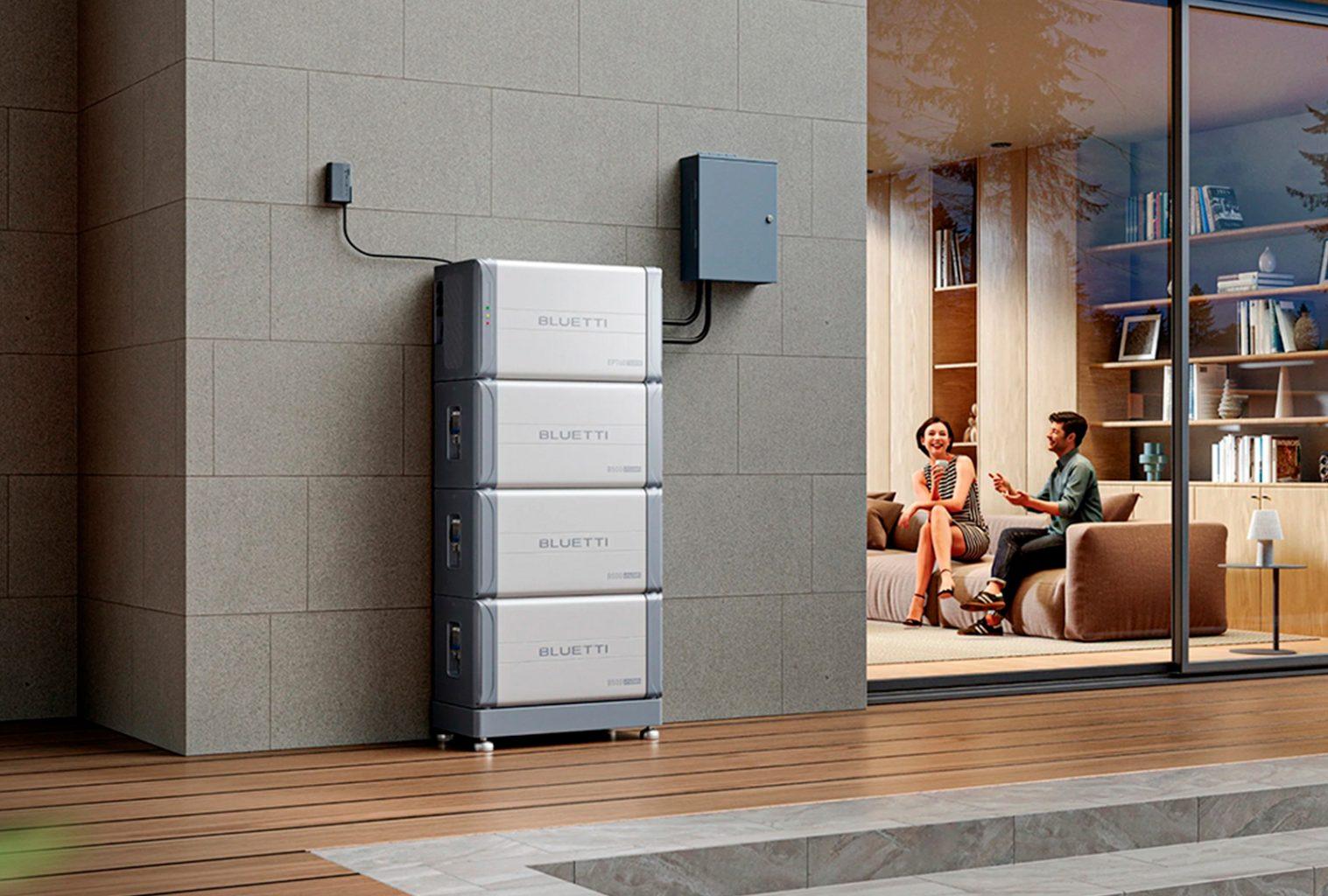
One of the most interesting solutions right now is the Bluetti EP760 Home Energy Storage System.
Unlike portable power stations, the EP760 is designed to integrate directly with a home’s electrical system and solar panels, allowing households to store their own energy and use it when they need it most, including during grid outages.
What’s Really Going On With Solar Batteries?
The power isn’t just in the battery – it’s in the contract.
Solar battery rebates sound great. But what most homeowners don’t realize is that depending on how you buy, you may not fully own what the battery stores:
your electricity.
The Battery Analogy: It’s Like a Fridge
- Imagine you buy a fridge to store your groceries – but the store says they’ll help you pay for it if they can take some food from it each night.
- Or worse – you rent a fridge that you fill, but they decide when you can access your own meals.
That’s what some “solar battery deals” are like today.
The 3 Main Types of Solar Battery Deals
1. Outright Purchase (Full Ownership)
- You own the battery and ALL the power it stores
- Best for energy independence – but highest upfront cost
2. Rebate-Backed Ownership with Conditions
- You get a discount from the government or provider
- BUT your battery may be part of a virtual power plant (VPP)
- This means companies can draw from your battery during high-demand events
- You may still be charged grid rates while your stored power is sold elsewhere
3. Battery Lease or “Energy-as-a-Service”
- You don’t own the battery at all
- You’re essentially renting a power storage unit
- These often come with contracts that favour the provider, not the homeowner
Where Home Energy Storage Changes the Equation
For many households, the real limitation of solar power has always been storage.
Without a battery system, excess solar energy is exported to the grid and later repurchased at a higher price. Home energy storage systems aim to change that equation.
One example gaining attention is the Bluetti EP760, designed to store solar energy and supply power to the home when it’s actually needed.
What to Watch Out For
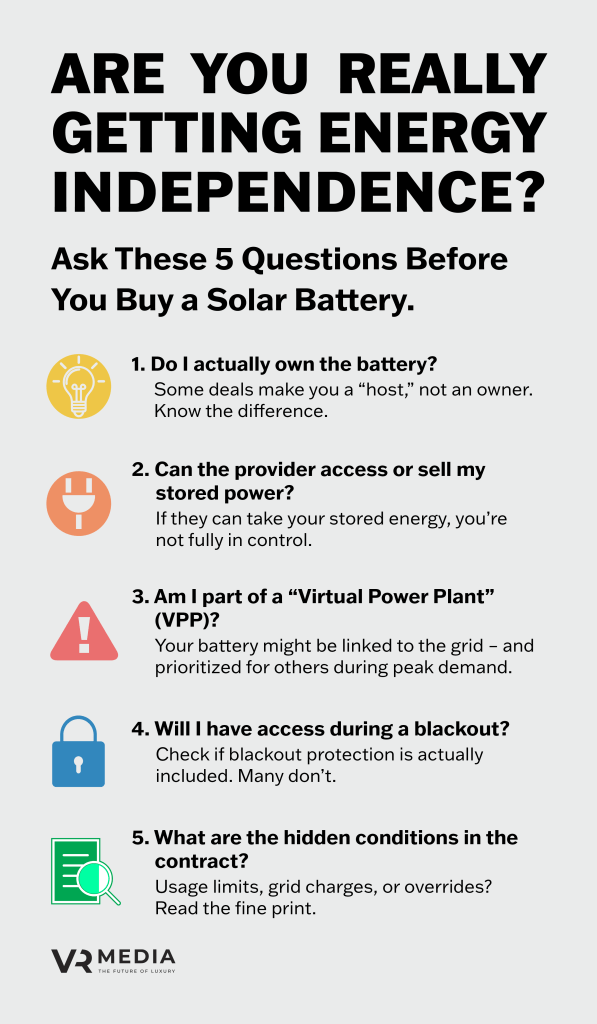
Key Questions to Ask Before You Buy:
So What’s the Alternative?
A Smarter Way to Store Power
The good news is: solar batteries can deliver true independence – if you choose the right setup.
That means:
- You own the hardware
- You control when it charges and discharges
- Your stored power is yours, even during a blackout
- And you’re not forced into tricky contracts or invisible fine print
This is where modern, homeowner-first battery systems come in – like Bluetti’s modular, off-grid-capable setups that put you back in control.
Whether you want to:
- Power through a blackout
- Avoid peak-hour charges
- Or just break free from your energy provider’s grip
…owning your battery outright – and choosing the right one – can be the smartest investment you make in your home.
Real-World Example: Two Households,
One Storm
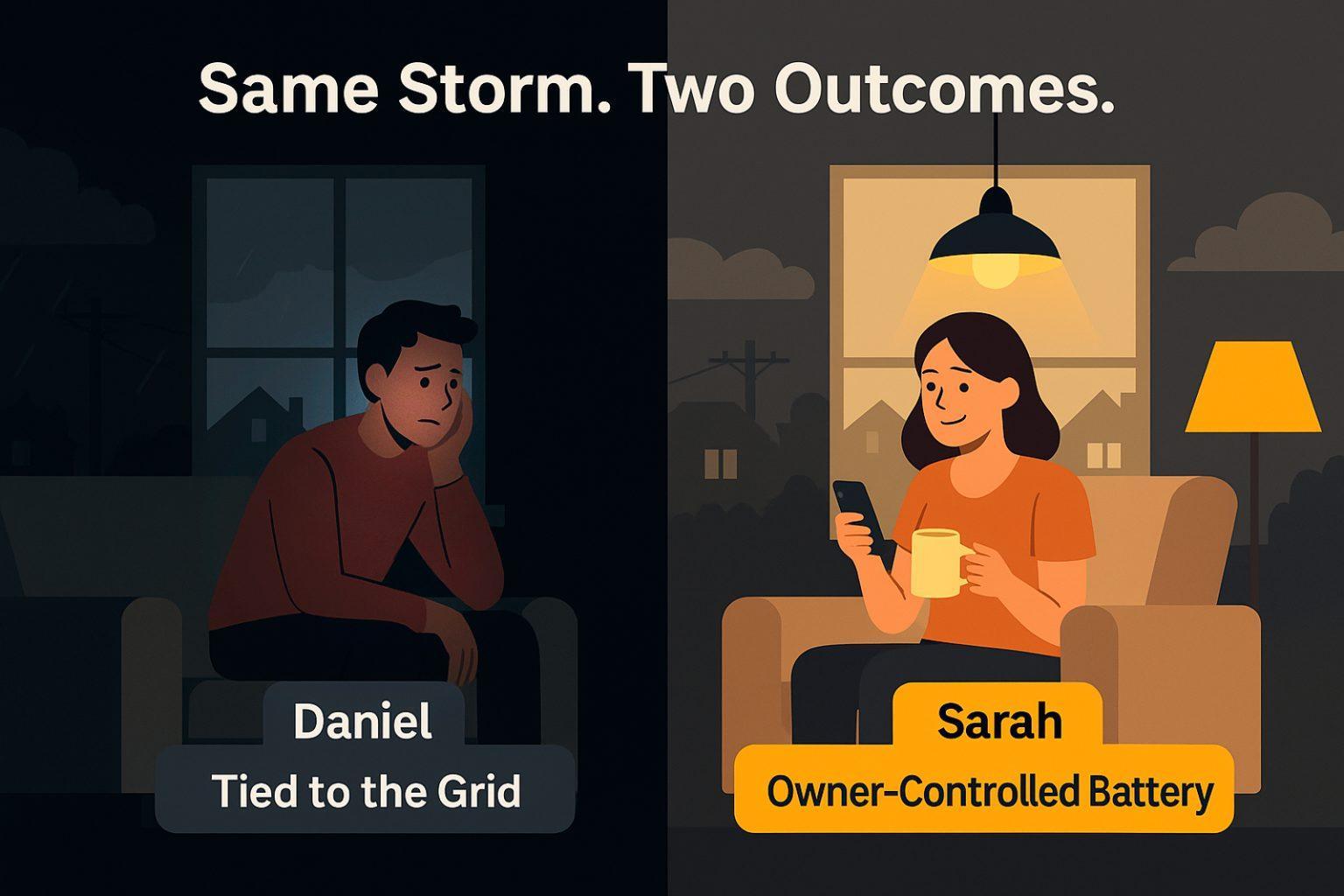
Meet Sarah and Daniel.
Both live in suburban homes with solar panels and solar battery storage. But their choices were very different.
Daniel’s Setup: The Standard Deal
- Signed up for a battery rebate program
- His battery is tied to a Virtual Power Plant (VPP)
- The utility company can draw from it anytime
A blackout hits.
Daniel’s fridge shuts off. His lights go out. His battery? Already drained during peak-hour export the day before – and he had no say in it.
Sarah’s Setup: The Bluetti Way
- Bought a modular Bluetti system outright
- No contracts. No third-party control.
- Her stored power is hers – always.
The same blackout hits.
Sarah’s home stays lit. Her freezer runs. She boils the kettle and checks her phone – fully powered by her own system
The Difference?
Daniel paid less up front, but he pays for it in control.
Sarah invested more – but now she owns peace of mind.
The Smarter Battery Systems That Put You
Back in Control
You’ve seen what happens when the system owns your power. These Bluetti battery systems are different – you own them, you control them, and they’re designed to work independently from grid restrictions, no matter where you live.
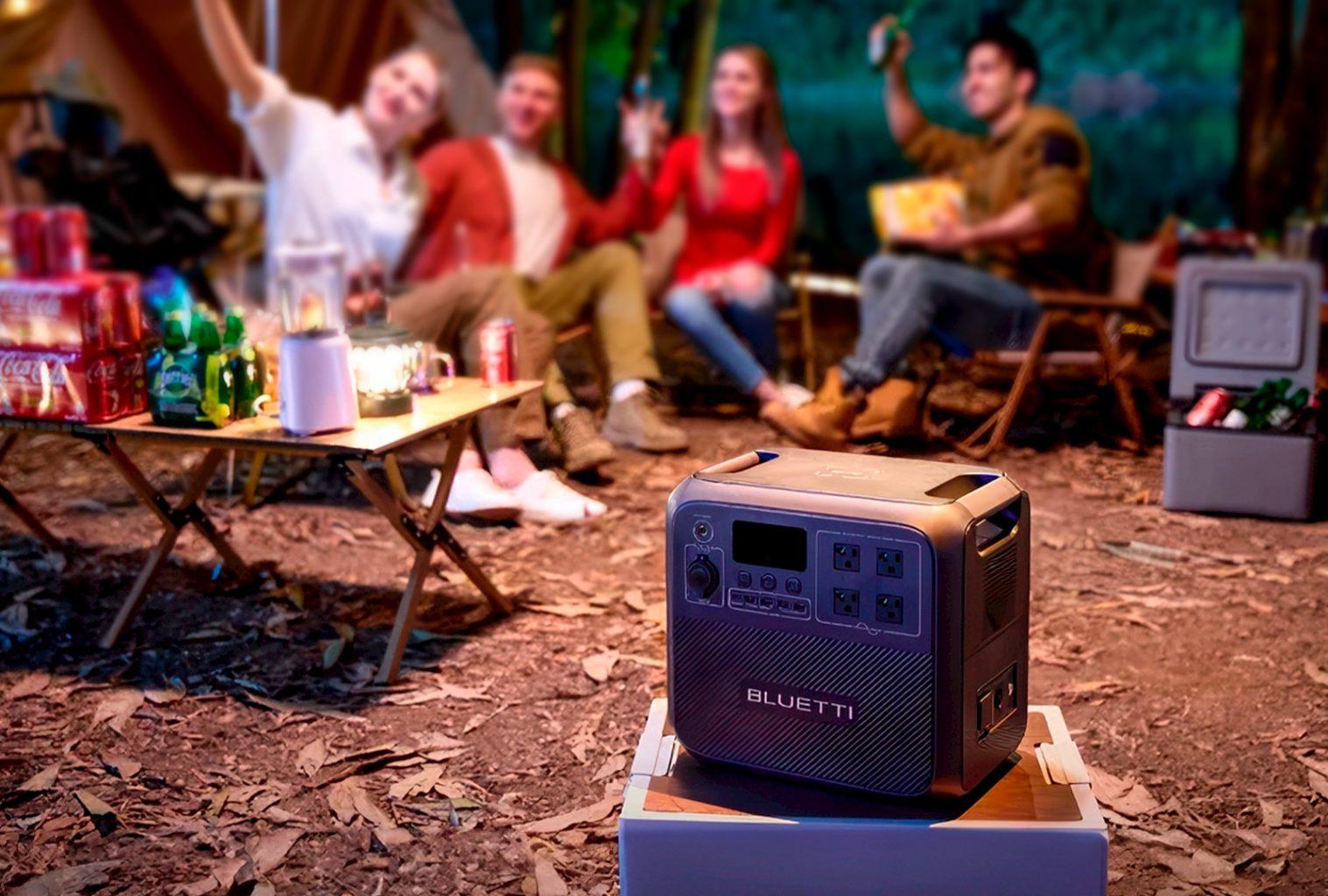
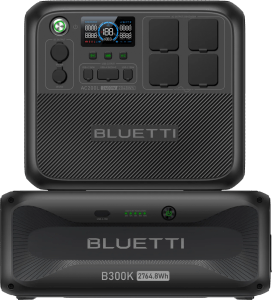
Best for: Essentials backup, vanlife, or compact off-grid setups
Why it works:
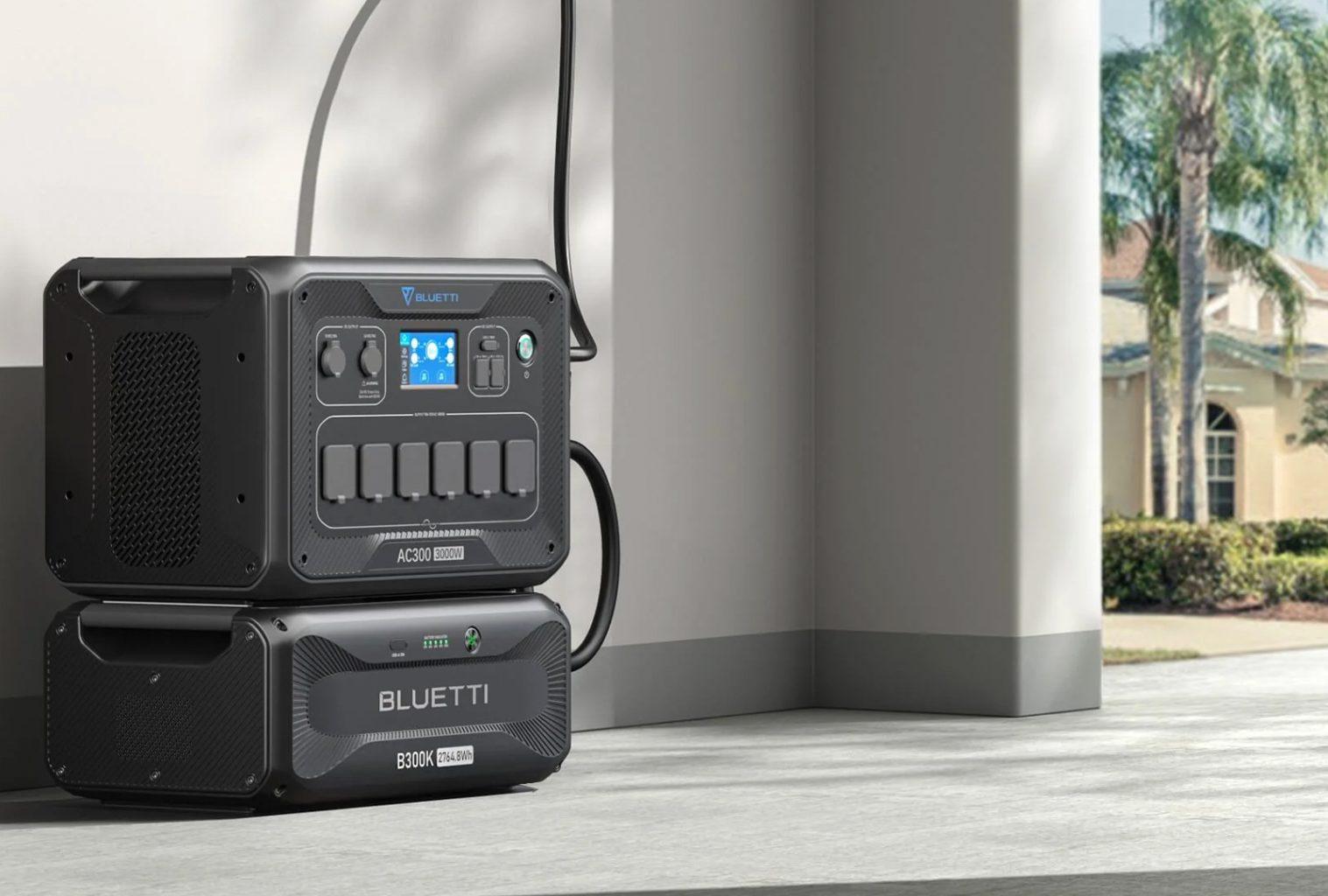
Modular system expands from 2,048Wh to 6,348Wh with B300K battery
Powers fridges, lights, medical devices, laptops, tools and more
Recharge from wall, solar (up to 1,200W), or vehicle
Great for renters, small homes, or weekend cabins
Which Bluetti System Is Right for Your Home?
| System | Best For | Storage Capacity | Output Power | Solar Input | Price Range |
|---|---|---|---|---|---|
| EP760 + B500 batteries | Full home backup, serious independence | 9.9kWh–19.8kWh+ | 7,600W | Up to 6,000W solar | $$$$ |
| AC300 + B300 | Whole home or partial home coverage | Up to 12.3kWh | 3,000W | Up to 2,400W solar | $$$ |
| AC200L + B300K | Essentials backup, van life, small homes | 2,048Wh–6,348Wh | 2,400W | Up to 1,200W solar | $$ |
| Apex 300 + B300K | New modular system, serious backup | 5,530Wh expandable | 3,840W | Expandable | $$$ |
Not sure which system suits your situation?
So What Does Real Energy Independence Look Like?
Owning your energy doesn’t mean just buying a battery. It means choosing one that puts you in control — not your retailer, not the rebate provider, not the utility company. Whether you’re in a city apartment, rural home, or fully off-grid, the right battery setup should protect your lifestyle, your wallet, and your freedom when things go wrong.
Your Take-Back Checklist:
- You own the battery outright
- You control the stored energy
- You get backup during outages
- You’ve read the fine print
- You’re not tied to forced feed-in or third-party conditions
“Will it actually work when everything else fails?”
That’s the whole point of a system like this.
Not just saving a few dollars… but keeping your home running when the grid doesn’t.
“Is this just another overhyped solar promise?”
Most systems are.
They rely on net metering rates, fragile setups, and assumptions that don’t hold up long term.
This is built for independence, not rebates.
“Is it too complicated to set up or manage?”
It’s designed to replace complexity, not add to it.
Once it’s in, it just works in the background.
“Is it actually worth the investment?”
If your goal is cheaper bills… maybe not.
If your goal is control, stability, and not relying on energy companies, that’s where this changes everything.
Ready to Own Your Energy?
The difference between Daniel and Sarah wasn’t luck, it was one decision made before the storm hit.
Bluetti’s owner-controlled systems put that decision in your hands. No utility contracts. No third-party access to your stored power. No surprises when the grid goes down.
Whether you need whole-home backup or essentials coverage, there’s a system sized for your situation.
Also worth reading: How a Bluetti Power Station Kept Us Running During Cyclone Alfred – a real-world test of exactly what these systems can do.
For households frustrated with rising electricity prices and unreliable net metering rates, systems like Bluetti’s new Apex 300 offer a different path. Instead of exporting power back to the grid for a shrinking return, modular backup systems allow you to store and use your own energy when you need it most.
Quick Take: Bluetti Apex 300
A system like this can run essentials such as refrigeration, lighting, internet, and small appliances during outages, or reduce how much energy you pull from the grid each evening.
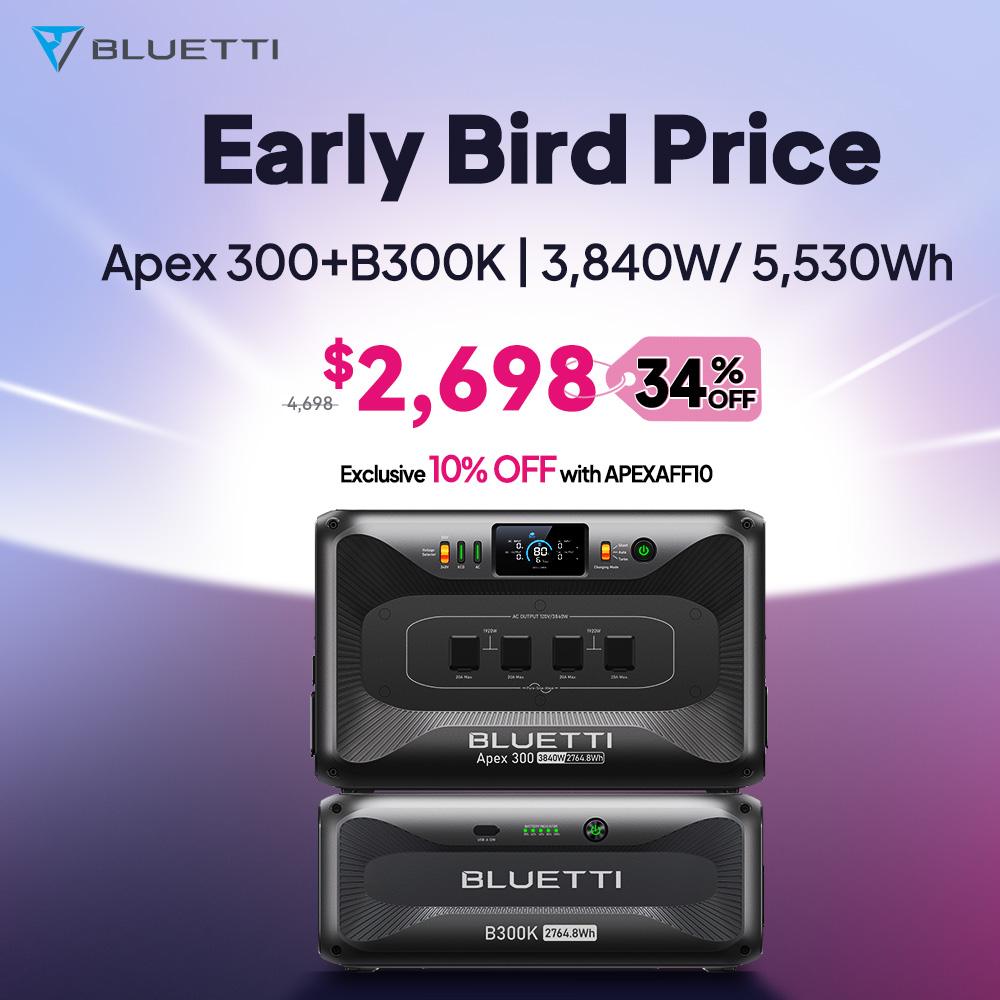
• 3,840W inverter power
• Expandable modular battery system
• Designed for serious home backup
• Early-bird launch pricing currently available
Bluetti has recently launched a new modular energy system called the Apex 300, designed for households wanting serious backup power and energy independence.
With a 3,840W inverter and expandable battery capacity exceeding 5kWh, it’s capable of running essential home appliances during outages or reducing reliance on the grid.
Bluetti is currently offering an early-bird launch price on the Apex 300 and B300K battery bundle, making it one of the more interesting new systems entering the home backup energy space.
Bluetti is currently offering an early-bird launch price on the Apex 300 and B300K battery bundle, starting from $2,698 USD (approx. $4,000+ AUD depending on exchange and configuration).
Affiliate Disclosure:
This post may contain affiliate links. If you click through and make a purchase, we may earn a small commission at no extra cost to you. We only recommend products we believe in and would use ourselves.