The Marshall Logo Was Always There
A nostalgic journey through pub bands, stadium concerts, analogue music culture
and why Marshall still means something in a digital world.
I Remember My First Concert
It was the Summer Jam at the old Surfers Paradise International Speedway. I can’t even remember the full band lineup now, except that Australian Crawl were playing, maybe The Angels, and Daryl Braithwaite. There had to be many more.
That weekend became my introduction to live music, alcohol, partying, and everything that came with the final celebrations at the end of school.
Hot summer days that rolled into humid nights. Live rock echoing across the speedway. Carnival food drifting through the crowd. Laughter, dancing, strangers singing together like they’d known each other for years.
For the first time in my life, it felt like freedom.

The Pub Band Era
I was hooked. The close circle of friends I went to that first concert with were too. There was something about seeing larger-than-life performers on stage, framed by giant stacks of amps and speakers, that created a sense of awe you immediately wanted to experience again.
Something clicked in all of us after the Summer Jam. We needed to chase that feeling again.
At that stage we all had our favourite bands, mostly local or national acts. Most of us were just old enough, or at least looked old enough, to get into pubs and clubs. We worked meaningless jobs that paid just enough for entry tickets, a few drinks, and maybe enough confidence for a wink across the bar.
This was another turning point. This was when music became personal.
No longer were you standing in a paddock with thousands of people watching from a distance. Now the band was only a few feet away from you, singing their message directly at you, looking straight at you. The room was too small for the sound it was holding. The atmosphere felt too large to be contained by the walls. You could smell sweat, spilled beer and cigarette smoke while huge banks of speakers delivered the band’s message straight through your skin.
Every band had at least one song that resonated so deeply it felt like it had been written specifically for you.
Back then there was a circuit the bands followed, and it was rare to somehow miss them playing one venue or another. The Radiators, INXS, Divinyls, Australian Crawl, The Church, The Angels, Redgum, Rose Tattoo and then discovering the Barking Spiders were actually Cold Chisel when you turned up.
Life felt crazy, loud, optimistic and full of possibility.
Music As A Timeline Of Life
Like myself and my friends, there will always be a song that suddenly plays on the car radio while you’re scanning between stations and instinctively you pause for a moment. Maybe you only catch the end of it before moving on again, but something about that song triggers a memory, happy or sad and for a few seconds you’re transported back to a completely different time in your life.
That’s what a great song does. It quietly marks different stages of your life like emotional timestamps. Relationships, heartbreaks, road trips, friendships, celebrations, losses, certain songs become permanently attached to those moments for reasons you can’t always explain. Otherwise, you never would have paused in the first place.
There’s nothing strange or supernatural about it either. Most of the time, you were simply growing through life at the same pace as the bands and songwriters you connected with. They were reflecting on the same stages of life you were experiencing yourself. The song resonated because, somewhere deep down, it felt familiar. That’s what makes a great songwriter or band. They somehow manage to say the things we were already feeling but didn’t yet know how to explain ourselves.
As we get older, our relationship with music changes too. The chaos and rebellion that once had us blindly following our favourite bands slowly evolves into something more reflective. Our responsibilities change. Our priorities change. Even the way we listen changes.
Tapes and vinyl albums became CDs. CDs became downloads. Then, unfortunately, downloads became subscriptions.
The music we once bought with saved cash when our favourite band released a new album was something we actually owned. A physical cassette. A vinyl record with incredible cover art. A CD you could leave permanently in the car for weeks, lend to a friend, or pack for a road trip.
Now music exists mostly as streaming libraries and monthly subscriptions, instantly available, but somehow less tangible. Convenient, yet disconnected from the ritual that once came with discovering and owning music. You no longer hold the album cover in your hands or feel that same nostalgic rush washing over you while studying the artwork and lyrics.
Maybe that’s part of why brands like Marshall still resonate today. In a world where so much music has become invisible and temporary, Marshall somehow managed to preserve the physical feeling of music culture itself.
Some songs eventually stop being background noise and become emotional landmarks.

Marshall Acton III
Vintage soul for modern spaces.
The Acton III feels like the natural evolution of everything Marshall stood for during the analogue era, only refined for modern living. Compact enough for apartments, offices or listening rooms, yet still carrying the textured vinyl wrap, brass accents and tactile controls that made Marshall equipment feel personal long before audio became disposable.
It doesn’t try to disappear into the room like modern minimalist tech. It wants to be seen, touched and remembered.
Years later, all it takes is a familiar riff, a lyric or even the crackle between radio stations and suddenly you’re transported back to a completely different version of yourself. The people. The cars. The heartbreaks. The nights that felt endless.
Music doesn’t just soundtrack our lives… it quietly archives them.
Like myself and my friends, there will always be a song…

The Marshall Logo Was Always There
The thing about nostalgia is that it’s not only about memories. Nostalgia is the bittersweet feeling of a past era in your life that somehow made sense. Good or bad, those experiences shaped who you became. They helped mould your personality through shared moments with people who mattered at the time.
Music was the glue that held all of it together. It attached emotion to specific moments throughout our lives and permanently welded songs to memories. The images we collectively witnessed, the lyrics pushed through microphones and the sound exploding from giant banks of speakers became life-defining experiences.
When I think back on those moments triggered by a favourite song, whether from a pub venue, festival or stadium concert, it’s never just the band’s setlist I remember. It’s how the music was delivered in all of its fury, sweetness, rage or whisper.
Those giant walls of speakers delivered the band’s message so personally it almost felt like it was trying to rewrite your DNA. Massive black cabinets stacked behind the performers with that handwritten script logo stretched across them: Marshall.
Almost like the band had turned around before walking on stage and said:
“Mr Marshall… let ’em know we’re here.”
Every time, it was the band front and centre with Marshall right there behind them, like they knew Marshall had their backs… and Marshall always understood the assignment.
The Soundtrack Never Really Left
Today, Marshall’s portable speakers still carry that same pub-band energy, loud enough for a backyard gathering, raw enough to feel alive and built with the same unmistakable design language that once sat behind bands in crowded venues.

Marshall Stanmore III
The closest thing to bringing pub-band energy into your living room.

A great song, performer or band was never really about marketing. It was always about the message hidden inside the lyrics, carried by the melody, the rhythm and the emotion behind it.
Too often now we see manufactured performers created through talent shows and carefully controlled marketing campaigns. They arrive fast and usually disappear just as quickly. Many have never experienced real struggle, heartbreak or the pressure of performing simply to pay the rent or afford the next meal.
That’s where the message becomes real.
The unforgettable bands, the ones whose lyrics genuinely move people, usually come from hardship, rejection and years of hard slog. They connect because they’ve lived through the same frustrations, heartbreaks and hopes as the people listening to them.
The great bands were never overnight successes. The Rolling Stones, Fleetwood Mac, Bruce Springsteen, Pink Floyd, AC/DC, Guns N’ Roses, Queen, Iron Maiden, Metallica, they all began in the same humble places. Seedy clubs. Sticky pub floors. Small stages. Sweaty crowds and stale beer hanging in the air.
They were booed. Ignored. Thrown out of venues. They fought hostile crowds, sharpened their performances and returned night after night until eventually something connected. One song struck a nerve. One performance spread through word of mouth. The crowds slowly grew.
Then suddenly the same bands that once played cramped pubs were standing in front of packed stadiums delivering the exact same message, to blue collar workers, to outsiders, to people beaten down by life, to lovers who had lost someone and those lucky enough to find someone.
You pay a lot more for tickets now. Probably more than you wanted to. But somewhere deep down you still want that feeling back, so you spend a little extra to get closer to the stage and witness your heroes up close one more time.
Then the crowd starts chanting. The lights go down. The band explodes onto the stage.
And right behind them stands a wall of Marshall speakers.
For a brief moment, you realise those speakers were always there. From the tiny stack sitting in a cramped pub venue to the towering walls of amplifiers architecturally built behind the band in a stadium… Marshall was there from the beginning.

Some of us still try to recreate that feeling at home.
Not everybody can stand in front of a concert stack anymore… but the Woburn III understands the assignment.
Analog Soul In A Digital World
Earlier I mentioned how we no longer really own music the way we once did. It now exists mostly as streams, downloads and monthly subscriptions, convenient, immediate and endlessly available, yet somehow less personal than it once felt.
That may sound primitive or nostalgic, but owning something physical connected to music mattered for reasons that were often deeply personal. A vinyl record, a cassette tape or a worn CD wasn’t just a format, it became attached to moments, relationships and entire periods of your life.
The analogue era may date many of us now, but that doesn’t make it any less meaningful.
Maybe that’s why nostalgia matters so much. It reconnects us to our humanity, our emotions and the memories that helped shape who we became. Music has always done that and somehow Marshall understands it.
Whenever I see a modern Marshall speaker or pair of headphones, deep down I know they’re no longer analogue devices. They perform all the digital tricks required in today’s world. They connect through Bluetooth and Wi-Fi. Portable speakers last long enough to soundtrack an entire night. The headphones can recreate the feeling of standing near the front of a stage while still giving you the option to plug in and listen the old-fashioned way if you choose.
For readers drawn to beautifully designed audio equipment that makes listening feel intentional again, our feature on Bang & Olufsen speakers for Japandi interiors explores a very different, but equally immersive side of modern music culture.
Bang & Olufsen speakers for Japandi interiors
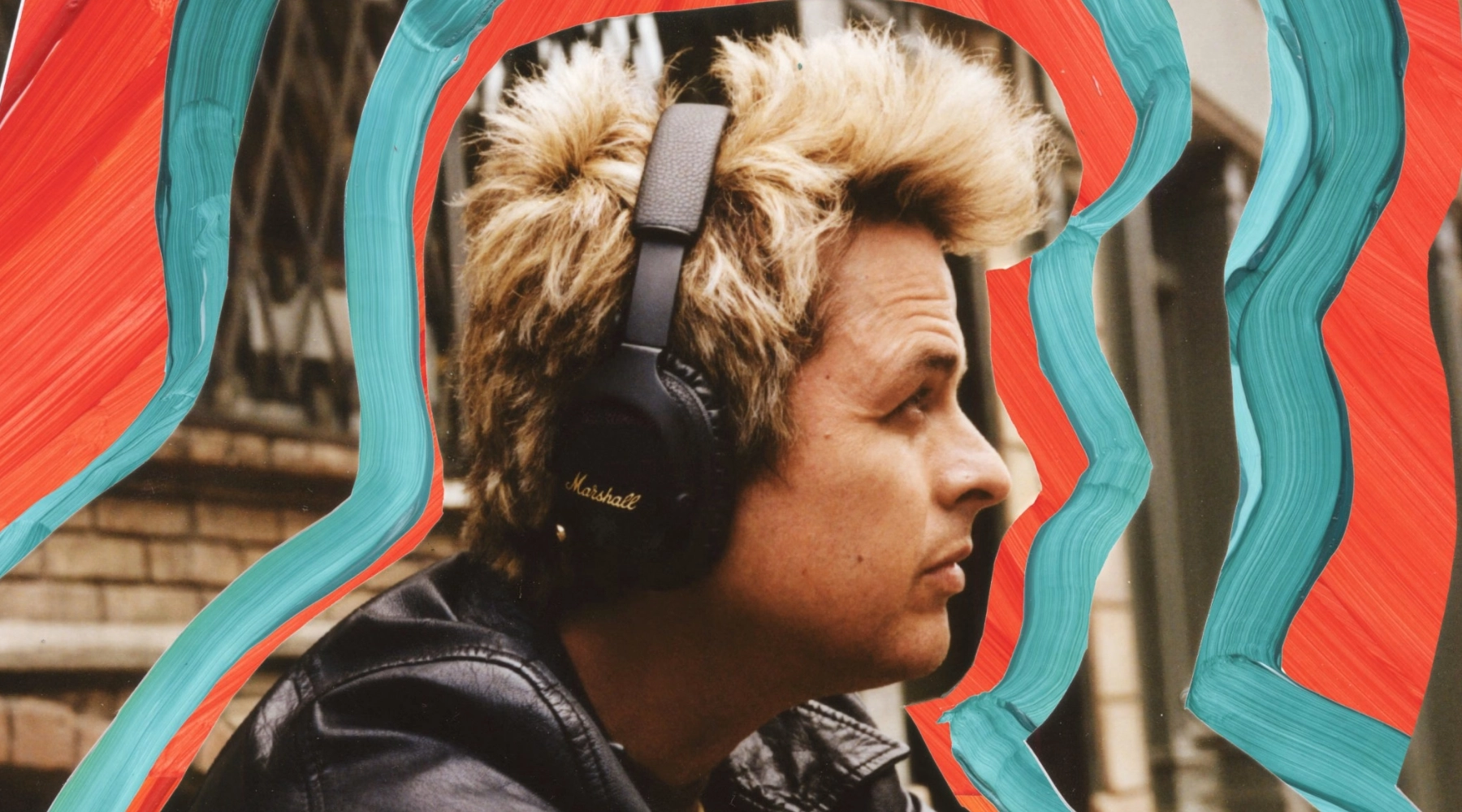
Marshall Monitor III ANC
Modern headphones for people who still miss the feeling of live music.
The Monitor III ANC keeps Marshall’s analogue DNA alive while adapting it for modern listening. Wireless freedom, immersive sound and the unmistakable Marshall design language make them feel connected to music culture rather than disposable tech trends.
For anyone who grew up with concert memories, road trips, vinyl collections and songs permanently attached to moments in life, the Monitor III feels less like a gadget and more like a continuation of that relationship with music.
But the one thing that hasn’t changed is that logo.
That handwritten Marshall script still carries the same feeling it did decades ago standing in front of those giant walls of speakers at concerts, festivals and pub venues. One look at it and something instantly reconnects you to those moments, those songs and those memories.
Because they were there.

Some brands sell products.
Marshall sells the feeling of remembering who you were.
Affiliate Disclosure:
This post may contain affiliate links. If you click through and make a purchase, we may earn a small commission at no extra cost to you. We only recommend products we believe in and would use ourselves.