Why More People Are Moving Away From the Grid in 2026
Power used to be something you didn’t think about.
It was always there, reliable and predictable… until it wasn’t.
Across the world, more people are starting to question something that used to feel guaranteed, the systems we rely on every day.
This isn’t about panic.
It’s about recognising a shift that’s already happening.
What we’re seeing now isn’t isolated.
Energy costs are rising.
Outages are becoming more frequent in some regions.
And the stability people once expected is no longer a given.
For years, the model has been simple:
You consume power… someone else controls it.
But that model is starting to feel outdated.
Because when something goes wrong, you’re the one who feels it immediately.
If you’ve started questioning how reliable your power really is, it might be time to look at what your options actually are.
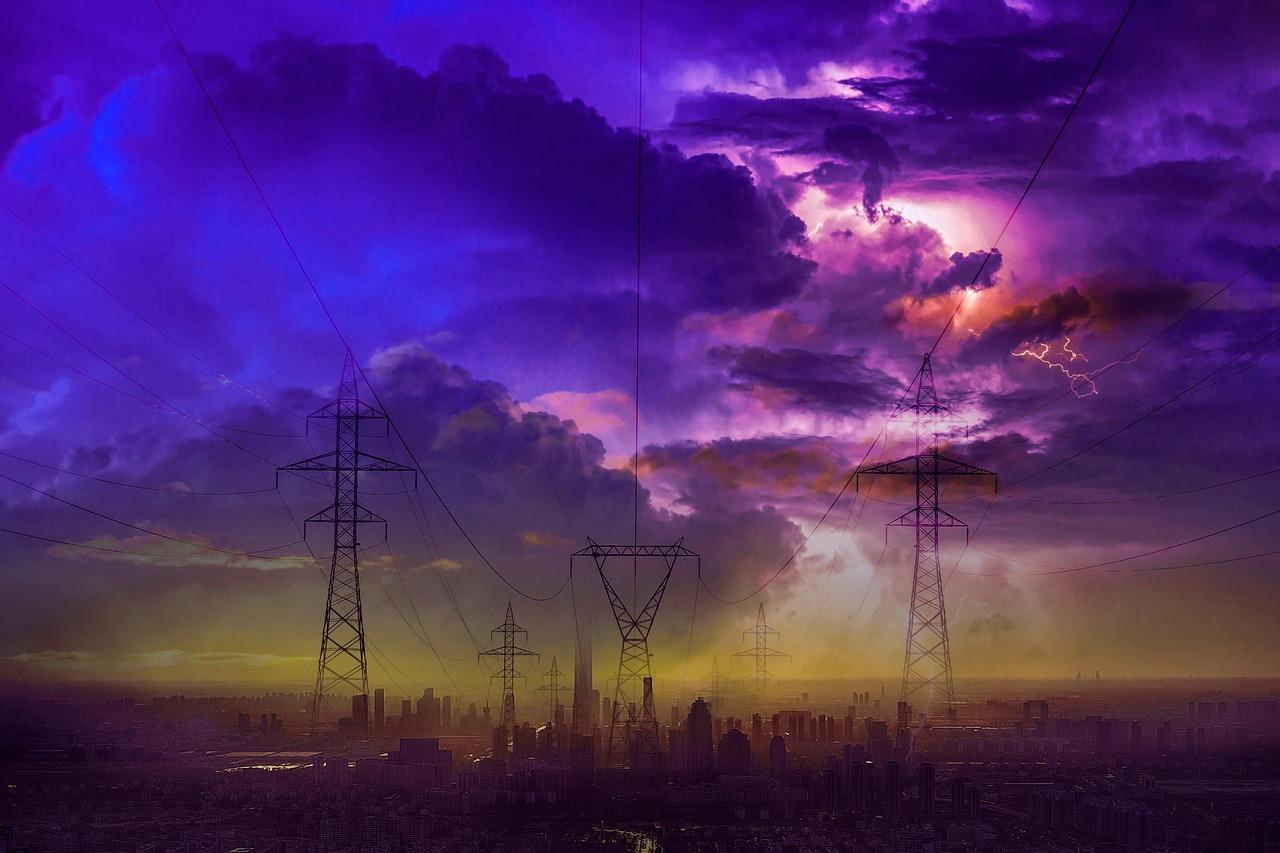
I saw this firsthand during a major storm event.
What most people don’t realise is how quickly everything changes when the power drops out.
It’s not just inconvenience.
It’s:
- Lighting
- Communication
- Security
- Basic day-to-day function
Everything stops instantly.
And in that moment, you realise something most people don’t think about…
You don’t actually control any of it.
That experience changes how you think.
Energy stops being something passive, and becomes something you start paying attention to. Because it’s not just about having power, it’s about when you have it, and whether you can rely on it when it matters most.
This is where things start to shift.
More people are no longer asking, “Is the system working?”
They’re asking, “What happens if it doesn’t?” and more importantly, “What can I do about it?”
That’s where energy independence comes in. Not as a trend, but as a shift in thinking.
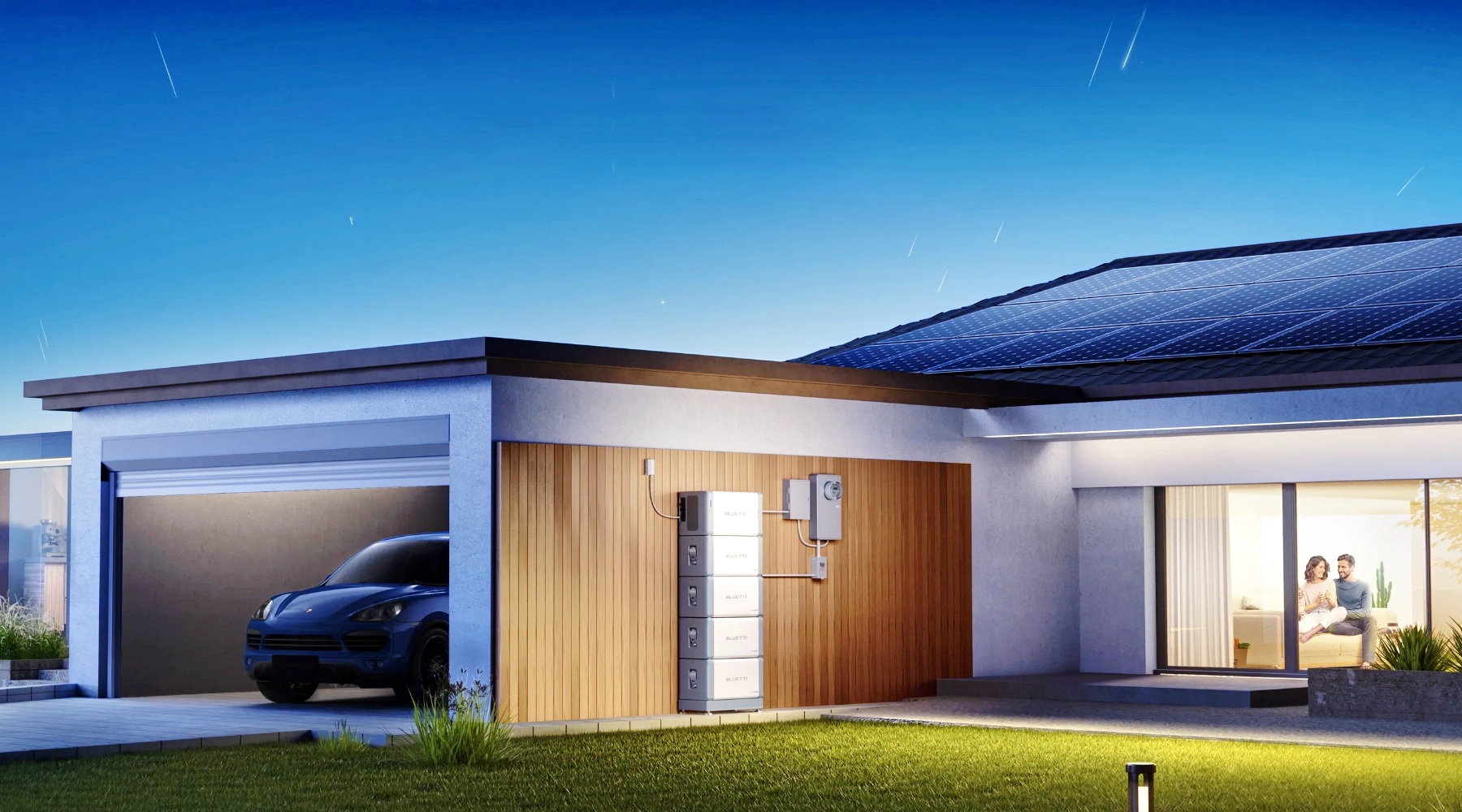
Systems like the Bluetti EP760 are designed for exactly this.
This isn’t about replacing the grid entirely, it’s about reducing your reliance on it.
Not as a backup plan you hope you never use… but as a way to take control of your power completely.
It stores energy, supplies your home when needed, and removes your reliance on unstable conditions, whether that’s outages, peak pricing, or system failures.
Most people don’t think about backup power until they need it.
By then, it’s already too late.
“Is it actually worth it?”
At first, it can feel like a big step.
But when you factor in:
- Ongoing energy costs
- Reduced solar returns in some regions
- The cost of outages
…it becomes less about price, and more about long-term control.
“Isn’t this overkill?”
For some people, yes.
But for others, especially those who:
- Work from home
- Have families
- Value reliability
…it’s not overkill.
It’s peace of mind.
“Will it actually work when needed?”
That’s what it’s built for.
Not just everyday use…
…but the moments where everything else stops.
If you want to see how true energy independence is actually being achieved today, this breakdown explains it clearly:
“Why not just rely on solar?”
Solar still relies on external systems.
Storage changes that.
It gives you the ability to use your energy when you need it, not when you’re allowed to.
The way people think about energy is changing.
Not all at once.
But steadily.
And the people who move early aren’t reacting to problems…
They’re preparing for them. Because once you understand how much of your life depends on something you don’t control…
…it’s hard to ignore.
Affiliate Disclosure:
This post may contain affiliate links. If you click through and make a purchase, we may earn a small commission at no extra cost to you. We only recommend products we believe in and would use ourselves.